
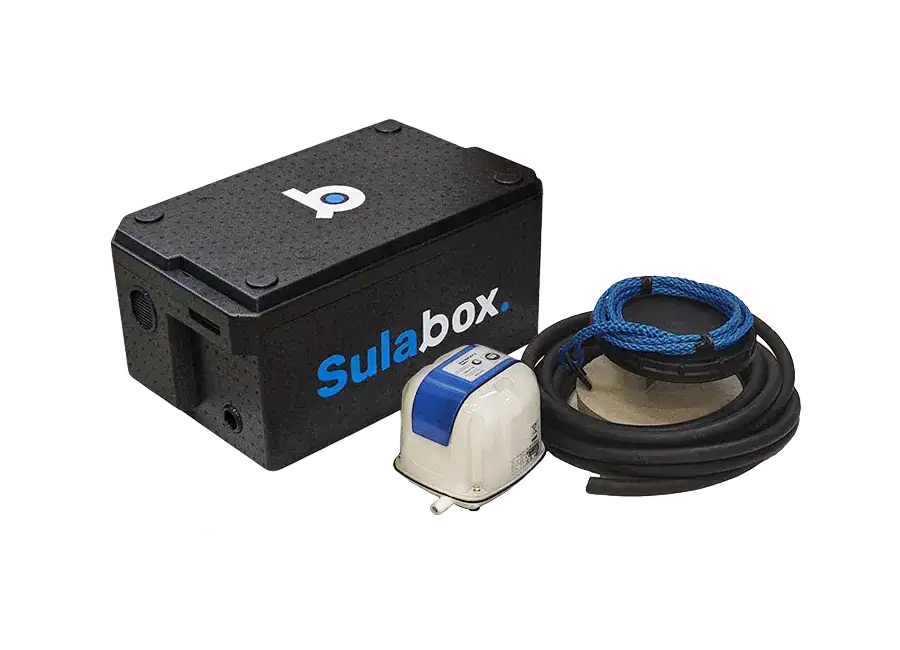
Recent building performance data highlights a growing emphasis on indoor air quality and moisture regulation. Studies focused on residential, commercial, and industrial structures show that poor ventilation is directly linked to increased humidity levels, condensation buildup, and long-term material degradation. As a result, vent pump (avantopumppu) are increasingly recognized as reliable solutions for managing airflow and controlling excess moisture in enclosed environments. Their adoption reflects a data-driven shift toward preventive maintenance and efficiency-focused infrastructure planning.
How Do Vent Pumps Improve Air Circulation Efficiency?
Vent pumps are designed to actively move stagnant air out of enclosed spaces while promoting consistent airflow. Statistical airflow assessments indicate that mechanical ventilation systems equipped with pumps can improve air exchange rates by a measurable margin compared to passive methods. This improved circulation supports fresher indoor environments and helps reduce the accumulation of airborne pollutants, aligning with performance benchmarks used in modern ventilation planning.
What Role Do Vent Pumps Play in Moisture Control?
Moisture management data consistently identifies excess humidity as a leading cause of mold growth and structural wear. Vent pumps address this issue by expelling moist air before condensation can form. Environmental monitoring reports show that controlled ventilation significantly lowers relative humidity levels in basements, crawl spaces, and utility areas. By maintaining balanced moisture levels, vent pumps contribute to healthier indoor conditions and prolonged structural integrity.
Where Are Vent Pump Solutions Most Commonly Applied?
Usage statistics reveal that vent pumps are widely implemented in areas prone to limited airflow. These include basements, bathrooms, laundry rooms, and industrial enclosures. In commercial and industrial settings, data shows that targeted ventilation improves equipment reliability by reducing moisture-related corrosion. This versatility makes vent pumps a practical choice across multiple building types.
How Does Energy Efficiency Factor Into Vent Pump Performance?
Energy consumption metrics play a critical role in evaluating ventilation systems. Modern vent pumps are engineered to deliver consistent airflow while minimizing power usage. Comparative efficiency studies indicate that optimized ventilation pumps can reduce unnecessary energy loss by maintaining controlled airflow cycles. This balance between performance and efficiency supports sustainability goals while managing operational costs.
What Do Maintenance Statistics Say About Vent Pump Reliability?
Reliability data suggests that ventilation systems with fewer moving components and consistent airflow patterns experience lower maintenance frequency. Vent pumps designed for durability show reduced failure rates and longer service intervals. Preventive maintenance tracking further indicates that consistent use of vent pumps helps stabilize indoor conditions, reducing the likelihood of moisture-related repairs.
How Do Vent Pumps Support Health and Comfort Standards?
Indoor air quality studies consistently associate proper ventilation with improved comfort levels. By removing stale and humid air, vent pumps help maintain balanced indoor environments. Health-focused data highlights reduced allergen presence and improved comfort perception in spaces equipped with active ventilation systems. These outcomes support broader wellness and building performance standards.
Why Are Vent Pumps Considered a Long-Term Investment?
Cost-benefit analyses in building management show that effective ventilation reduces long-term repair expenses. By preventing moisture accumulation and improving air quality, vent pumps protect both structural components and occupant comfort. Over time, this preventive approach translates into measurable savings and improved building longevity.
What Do Ventilation Trends Indicate About Future Demand?
Forecast data from construction and renovation sectors suggests continued growth in demand for active ventilation solutions. As building standards increasingly prioritize air quality and moisture control, vent pumps are positioned as essential components in efficient ventilation strategies. Their ability to deliver measurable performance improvements aligns with data-driven building practices.
Why Are Vent Pump Solutions Central to Efficient Air Management?
Statistical evaluations confirm that controlled ventilation directly impacts air quality, moisture balance, and energy efficiency. Vent pumps provide a reliable and scalable solution for addressing these challenges. By combining efficiency, durability, and performance, they play a vital role in modern air and moisture control strategies, supporting healthier and more resilient built environments.