
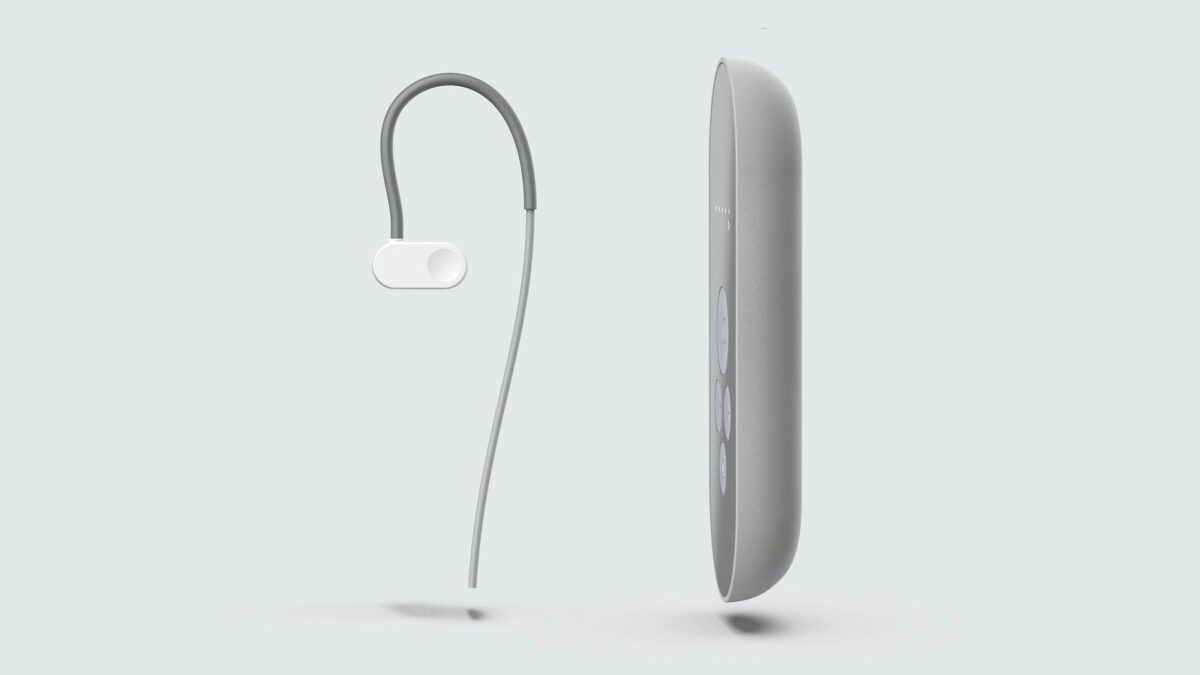
The vagus nerve is a critical component of the autonomic nervous system, influencing heart rate, digestion, respiratory function, and stress response. Recent research highlights that non-invasive vagus nerve stimulation (VNS) can help regulate these processes, promoting nervous system balance and overall wellness. With increasing interest in holistic health approaches, non-invasive vagus nerve stimulator devices are gaining recognition for their ability to support both physical and mental health in a safe, data-backed manner.
Why Is Nervous System Balance Important for Health?
Statistical studies show that autonomic imbalance—marked by excessive sympathetic activity and reduced parasympathetic tone—can contribute to conditions such as anxiety, depression, cardiovascular irregularities, and chronic inflammation. Heart rate variability (HRV) is often used as a measurable indicator of nervous system balance, with higher HRV correlating with better stress management and overall health. By supporting parasympathetic activation, non-invasive VNS promotes equilibrium, reducing overactivation of the stress response system.
How Does Non-Invasive Vagus Nerve Stimulation Work?
Non-invasive VNS devices use mild electrical impulses applied externally, typically through the ear or neck, to stimulate the vagus nerve. Clinical data indicates that these impulses can influence neural pathways associated with mood regulation, cardiovascular function, and inflammatory response. Studies show that even short sessions of stimulation can lead to measurable improvements in HRV, reduced cortisol levels, and enhanced parasympathetic activity.
What Are the Measurable Benefits of Non-Invasive VNS?
Research indicates multiple physiological and psychological benefits of non-invasive vagus nerve stimulation:
- Improved Stress Management: Users report decreased anxiety and enhanced resilience, with studies showing reduced cortisol levels following regular use.
- Enhanced Heart Rate Variability: Clinical data demonstrates that consistent VNS supports higher HRV, a key marker of autonomic balance.
- Better Sleep Quality: Sleep studies reveal improved sleep onset and duration among individuals using VNS as part of a nightly routine.
- Mood Regulation: Statistical analyses indicate reductions in self-reported symptoms of depression and emotional instability.
Why Is Non-Invasive VNS Preferred Over Surgical Options?
Surgical VNS implants, while effective for severe clinical conditions, involve invasive procedures and longer recovery times. Non-invasive VNS eliminates these risks, providing safe, adjustable stimulation without surgery. User surveys indicate higher adoption rates for non-invasive devices due to ease of use, flexibility, and minimal side effects. Data shows that non-invasive VNS can achieve similar autonomic benefits when used consistently and correctly.
How Does Regular Use Support Long-Term Nervous System Health?
Longitudinal studies suggest that consistent non-invasive VNS leads to sustained improvements in autonomic balance. Participants using daily or frequent stimulation sessions experience measurable enhancements in HRV, reduced sympathetic overactivity, and improved mood and cognitive function over weeks and months. Data underscores the importance of routine application to maximize benefits.
What Role Does Integration With Lifestyle Practices Play?
Non-invasive VNS is most effective when paired with supportive lifestyle habits. Research shows that combining stimulation with controlled breathing exercises, meditation, and moderate physical activity amplifies positive outcomes. Users report greater reductions in stress, improved focus, and better emotional regulation compared to VNS use alone.
Why Are Data-Driven Approaches Essential for Effective VNS Use?
Tracking physiological markers, such as HRV, sleep quality, and stress levels, allows individuals to optimize stimulation schedules and settings. Studies reveal that personalized VNS programs based on measurable data lead to higher efficacy and better adherence. Analytics also provide insight into long-term improvements, helping users evaluate the impact of non-invasive stimulation on overall wellness.
How Does Non-Invasive VNS Fit Into Modern Wellness Strategies?
As interest in non-pharmacological interventions grows, non-invasive VNS offers a science-backed method to support nervous system health. It complements mindfulness, exercise, and nutritional strategies, providing a holistic approach to stress management and physiological balance. Statistical evidence suggests that combining multiple wellness modalities with VNS enhances both short-term benefits and long-term health outcomes.
Conclusion: Is Non-Invasive Vagus Nerve Stimulation Effective for Nervous System Support?
Clinical research and user data confirm that non-invasive VNS is an effective tool for supporting nervous system balance. By improving HRV, regulating stress response, enhancing mood, and promoting parasympathetic activation, these devices provide measurable benefits without invasive procedures. For individuals seeking a safe, evidence-based approach to long-term nervous system wellness, non-invasive vagus nerve stimulation represents a practical and scientifically supported option.