
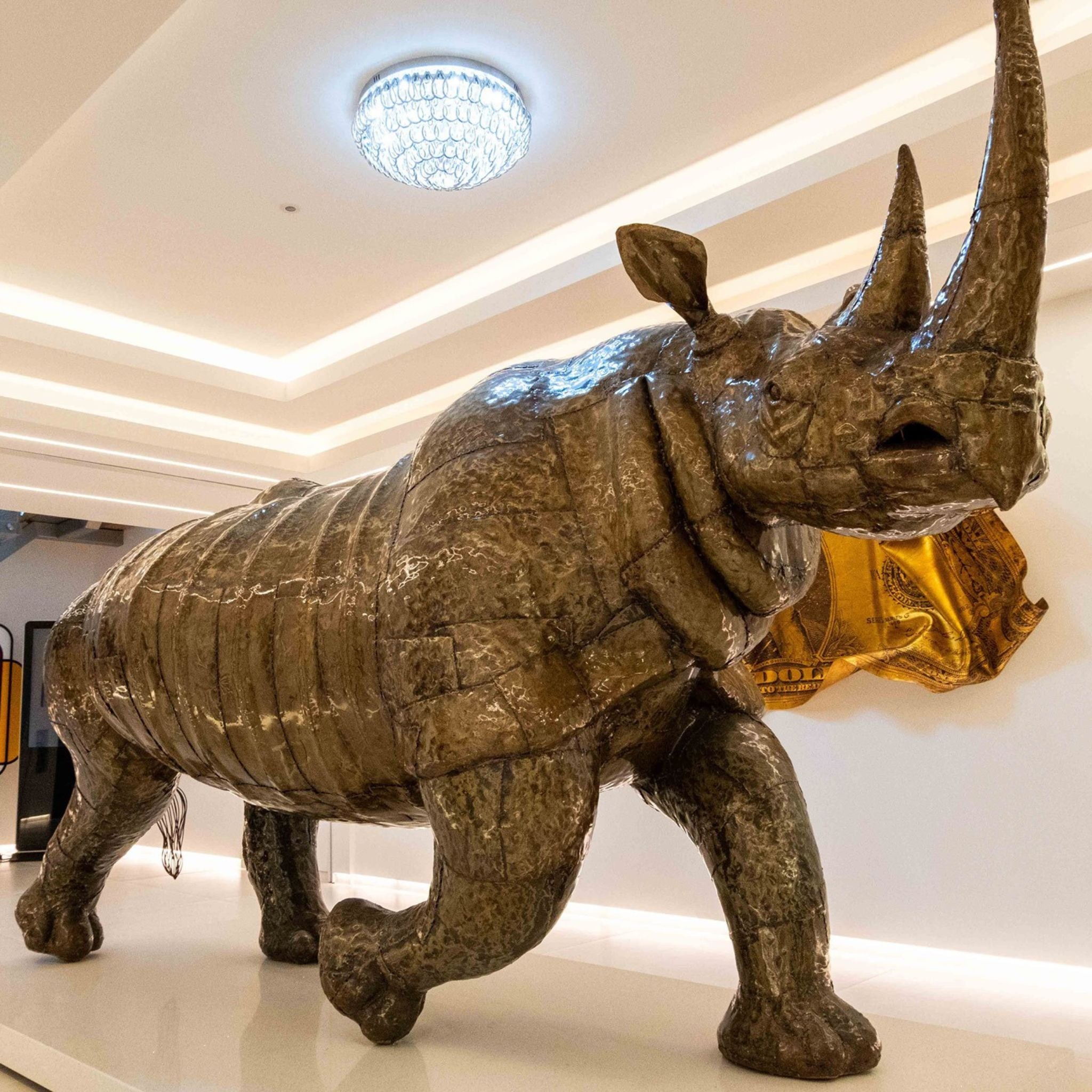
Animals have always been a source of inspiration for artists throughout history. From the ancient civilizations to modern times, animal sculptures have evolved and adapted to reflect the cultural beliefs and artistic styles of each era. These sculptures not only showcase the creativity and skill of their creators but also provide a glimpse into the relationship between humans and animals in different societies. Let’s take a journey through time to explore the artistic evolution of animal sculptures across civilizations.
The earliest known animal sculptures can be traced back to prehistoric times, where primitive humans created small figurines out of clay or stone. These figurines were often representations of animals that were important for survival, such as bison or horses. They were also believed to possess spiritual powers and were used in rituals and ceremonies.
As civilizations began to develop, so did their art forms. In ancient Egypt, animal sculptures played a significant role in religious practices as they were seen as symbols of gods and goddesses. The most famous example is the Great Sphinx at Giza, which has the body of a lion with a human head representing Pharaoh Khafre.
In ancient Greece, animal sculptures took on a more realistic approach with an emphasis on anatomical accuracy. This can be seen in famous works such as “The Lion Hunt” by Scopas or “The Dying Lioness” by Praxiteles. These sculptures not only showcased technical mastery but also reflected Greek beliefs about power, strength, and beauty.
During the Roman Empire, animal sculpture became more decorative rather than symbolic or religious. Mosaics depicting animals adorned public spaces while intricate bronze statues decorated wealthy homes. One notable example is “The Capitoline Wolf,” which depicts Romulus and Remus being nursed by a she-wolf – symbolizing Rome’s founding myth.
In medieval Europe, Christian beliefs heavily influenced animal sculptures. Animals were often depicted in religious scenes, such as the lamb representing Jesus or the eagle symbolizing St. John. These sculptures were also used to decorate churches and cathedrals, with gargoyles being a popular choice.
The Renaissance period saw a revival of classical art forms, including animal sculpture. Artists like Leonardo da Vinci and Michelangelo created lifelike sculptures that captured the essence of animals in their natural form. The famous “David” by Michelangelo is a prime example of this style.
As we move into modern times, animal sculptures have become more abstract and experimental. In the 20th century, artists like Pablo Picasso and Henry Moore pushed boundaries with their unconventional interpretations of animals in sculpture form. Today, contemporary artists continue to explore new techniques and materials to create thought-provoking pieces that challenge traditional ideas about animal representation.
Conclusion: From primitive figurines to modern abstract forms, animal sculptures have evolved alongside human civilization throughout history. They have served as symbols of power, religious beliefs, artistic expression, and even political statements. Each civilization has left its unique mark on this art form – showcasing not only their artistic abilities but also their cultural values and beliefs about animals.
In today’s world where humans are increasingly disconnected from nature due to urbanization and technology advancements, animal sculptures serve as a reminder of our deep-rooted connection with the natural world. They continue to inspire us with their beauty while also raising awareness about conservation efforts for endangered species.
So next time you come across an animal sculpture – whether it be at a museum or public space – take a moment to appreciate its evolution through time and how it reflects our relationship with these magnificent creatures throughout history.