
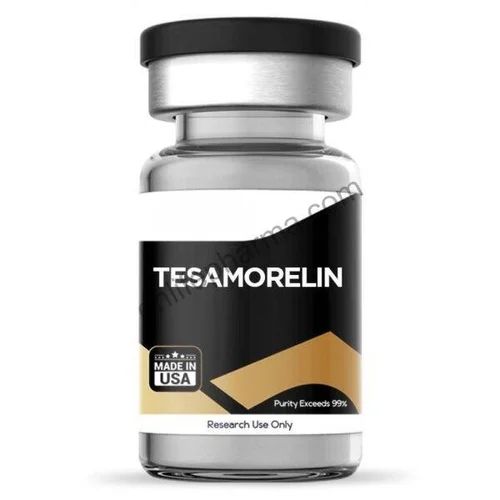
Tesamorelin, a synthetic analog of growth hormone-releasing hormone (GHRH), has been gaining attention in medical and clinical circles for its potential benefits in recovery and healing. Initially developed as a treatment option for HIV-related lipodystrophy, scientists and healthcare professionals are now exploring its broader impacts on tissue repair, metabolism, and overall recovery. This article examines the trending discussions surrounding Tesamorelin Peptide and its role in strengthening recovery and promoting healing.
The Science Behind Tesamorelin
Tesamorelin works by stimulating the production and release of growth hormone (GH) from the pituitary gland. GH plays a vital role in various physiological processes, including cell regeneration, tissue repair, and metabolism. By increasing GH levels in the body, Tesamorelin helps improve protein synthesis, which is critical for repairing damaged tissues and supporting recovery.
Clinical studies show Tesamorelin’s significant ability to reduce visceral adipose tissue (VAT), improve body composition, and enhance insulin sensitivity in individuals with HIV-related lipodystrophy. These outcomes have unlocked new areas of interest for researchers investigating its healing potential across other medical conditions, injuries, and even general wellness.
Growing Interest for Postoperative Recovery
A notable trend in the application of Tesamorelin is its emerging use in postoperative care. Healthcare providers are exploring its potential benefits in aiding recovery after surgery, where tissue healing is critical. A gradual increase in GH levels may lead to faster wound healing and reduced inflammation, two essential factors for post-surgical success.
While the research in this area is still in its early stages, preliminary findings suggest Tesamorelin could provide a safe and effective means of improving recovery outcomes following surgical procedures.
Tesamorelin and Rehabilitation
Another promising area of exploration is the use of Tesamorelin in physical rehabilitation. For patients recovering from musculoskeletal injuries, including ligament tears, fractures, or joint surgeries, the role of GH in stimulating collagen synthesis could be a game-changer. Collagen plays a pivotal role in giving strength and elasticity to connective tissues. By promoting collagen regeneration with Tesamorelin, patients may experience better healing and regain mobility faster.
Aging and Its Role in Recovery
Recovery naturally slows down with age due to declining levels of growth hormone in the body. This has sparked discussions on Tesamorelin’s potential use among older populations who struggle with delayed tissue repair and prolonged recovery times. By stimulating GH production, Tesamorelin could offer new hope for the aging population to maintain an active and healthy lifestyle.
The Takeaway
Tesamorelin represents an exciting advancement in the field of medicine and recovery science. Though it was originally developed to address specific conditions, its potential applications are expanding rapidly. From aiding postoperative recovery to enhancing rehabilitation outcomes, Tesamorelin has stirred significant interest among medical researchers and healthcare providers.
While the current results are encouraging, ongoing clinical studies will illuminate the full scope of this synthetic hormone analog’s recovery capabilities. For now, Tesamorelin remains a vital topic in medicine, promising improved well-being and healing outcomes in various segments of the population.