
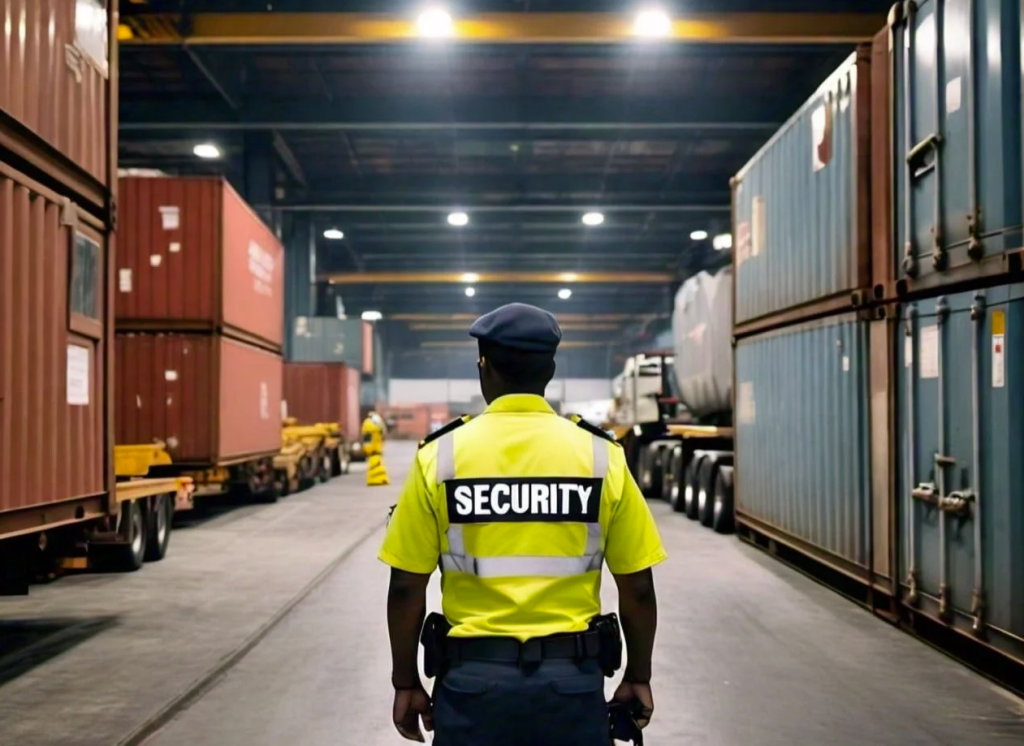
In today’s fast-paced supply chain and logistics environment, warehouses play a central role in ensuring smooth operations, inventory control, and timely distribution. With the increasing movement of goods and growing demand for just-in-time delivery, the need for robust and intelligent security systems in warehouse facilities has never been more critical. Integrated warehouse security solutions offer a comprehensive approach to protecting assets, personnel, and infrastructure while enhancing operational efficiency.
Why Security Integration Matters in Warehousing
Warehouses are dynamic environments with constant movement of people, vehicles, and valuable goods. Traditional standalone security measures—such as basic CCTV or manual access logs—are no longer sufficient to address the complex risks associated with modern warehouse operations. Integrated security systems bring together multiple technologies into a unified platform, allowing for centralized control, real-time monitoring, and faster incident response.
Integration streamlines security operations, reduces blind spots, and enables management to make informed decisions with accurate data and real-time insights.
Key Components of an Integrated Warehouse Security System
- Access Control and Identity Management
Controlling who enters and exits the facility is a fundamental layer of security. Integrated access systems use electronic credentials, biometric scanners, or smart cards to authenticate employees, vendors, and visitors. These systems can be linked to time tracking and workforce management software for added functionality. - Video Surveillance and Analytics
High-definition security cameras connected to a central system allow for continuous monitoring of both internal and external areas of the warehouse. When paired with intelligent video analytics, the system can detect unusual movements, unauthorized access, or safety violations, triggering instant alerts to the security team. - Intrusion Detection and Perimeter Monitoring
Sensors, motion detectors, and alarms placed at critical entry points, windows, and perimeters provide early warnings of potential breaches. These components can be programmed to interact with lighting, cameras, or lockdown procedures when a threat is detected. - Fire and Environmental Monitoring
Integrated systems go beyond theft protection. Smoke detectors, heat sensors, and humidity monitors help prevent damage caused by fire or environmental factors. Automated alerts allow quick response, protecting both inventory and personnel. - Centralized Command Center and Reporting Tools
A central control dashboard provides security personnel with a real-time overview of the entire facility. From here, they can monitor all systems, receive alerts, review access logs, and manage incidents efficiently. Additionally, automated reporting tools ensure proper documentation and help with compliance.
Operational Benefits Beyond Security
While the primary purpose of integrated systems is security, they also contribute to operational efficiency. For example, access control systems can help optimize shift changes, reduce unauthorized overtime, and track employee movement. Surveillance data can be used to analyze workflow patterns, enhance safety protocols, and improve warehouse layout for better productivity.
Conclusion
Modern warehouse operations demand more than traditional security approaches. Integrated security systems offer a smart, scalable, and future-ready solution tailored to the complexities of today’s warehousing needs. By combining technology, automation, and real-time intelligence, businesses can ensure that their assets remain protected while supporting smooth, safe, and efficient operations. Investing in a fully integrated security solution is not just about safeguarding what matters—it’s about creating a smarter, more resilient warehouse ecosystem.