
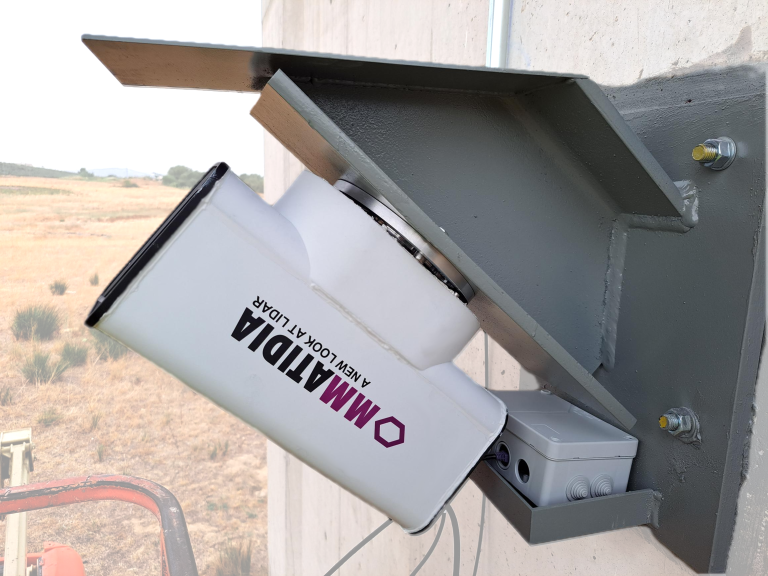
Real-time infrastructure monitoring systems are playing an increasingly crucial role in the evolution of public and private sectors. The move toward digital, data-driven safety has transformed how we protect critical assets, public infrastructure monitoring, and large-scale facilities. With unpredictable weather patterns, increasing urbanization, and rising demands on aging structures, the push for intelligent solutions has never been stronger. By focusing on constant vigilance and immediate action, these systems deliver ongoing safety with a level of accuracy and responsiveness traditional inspection methods just can’t match.
Introduction to Real-Time Infrastructure Monitoring
Infrastructure comprises the backbone of cities, industries, and economies. From bridges and highways to power plants and stadiums, massive investments are made to build and maintain assets entrusted with public safety. Any failure in these systems can have catastrophic results, including injury, loss of life, and long-term disruption to essential services. For decades, facility managers and public authorities relied on periodic inspections and manual data collection to ensure functionality and integrity.
The rise of real-time infrastructure monitoring systems marks a significant leap forward. By leveraging sensors, connectivity, advanced analytics, and automation, organizations gain up-to-the-minute insights on the health and performance of their assets. Automated alerts, continuous tracking, and predictive analytics are quickly becoming the norm rather than the exception, shifting approaches from reaction to prevention.
Let’s explore the numerous benefits these systems offer and why their adoption is gaining momentum across the globe.
Increased Safety for People and Property
One of the most compelling benefits of real-time infrastructure monitoring systems is their impact on safety. Traditional methods often rely on visual inspections or scheduled checks, which can leave unseen issues unaddressed for weeks or months. Real-time systems provide always-on surveillance, alerting managers to unusual shifts, vibrations, stresses, or faults as they occur. This means actionable information arrives in seconds, not days.
When thresholds are breached or abnormalities detected, instant notifications prompt quick responses that can prevent small issues from snowballing into major emergencies. Early intervention reduces the risk of injury to workers, first responders, and the general public. And when hazards are recognized and managed in real time, uptime and operational continuity are maintained, further safeguarding critical infrastructure users.
Data-Driven Decision Making
Modern infrastructure monitoring solutions generate a continuous stream of high-resolution data. This data gives decision-makers an accurate, up-to-date picture of structure health, material fatigue, environmental stresses, and more. Instead of acting on guesswork or estimates, leaders can base maintenance schedules, repair plans, and safety protocols on robust statistical modeling.
These insights streamline resource allocation, making it easier to prioritize interventions where they will have the greatest impact. Data analytics also reveal long-term trends that might indicate the gradual degradation of assets, allowing for proactive capital planning. By harnessing statistical evidence, organizations gain control over uncertainty and can budget more effectively for future needs.
Minimization of Downtime and Service Interruptions
Unexpected failures cause more than safety hazards; they disrupt essential services and pose major economic risks. Real-time monitoring systems minimize costly downtime by providing advanced warning of developing problems. Instead of waiting for failures to cause shutdowns, operators receive alerts well before critical thresholds are crossed.
Planned, data-driven shutdowns for maintenance are less expensive than emergency repairs in the aftermath of a catastrophic failure. This improved predictability ensures uninterrupted service delivery, protects company reputation, and prevents significant revenue loss associated with extended outages.