In a world saturated with video content, from online courses and work meetings to webinars and interviews, keeping up can be a challenge. While video is a powerful medium for communication, it isn’t always the most efficient way to absorb or revisit information. This is where convert video to text comes in, offering a simple yet powerful way to enhance productivity for both students and professionals.
Manually transcribing video is a time-consuming process, but modern tools have made it possible to get a written transcript in minutes. This unlocks a new level of efficiency, allowing you to quickly access, search, and utilize the information contained within your video files. Let’s explore the key benefits of this technology.
How does converting video to text boost productivity?
The core benefit of transcription is turning spoken words into a searchable, scannable, and shareable format. Think about the last hour-long webinar you attended. If you needed to find a specific comment or data point, you’d likely have to scrub through the video, guessing where the information might be. A text transcript eliminates this guesswork. A simple “Ctrl+F” search allows you to locate the exact information you need in seconds, saving significant time and frustration. This quick access is a game-changer for anyone who regularly works with video content.
Can transcription improve learning and retention?
Yes, absolutely. Studies have shown that engaging with material in multiple formats can significantly improve learning and information retention. When you have both a video and its text transcript, you can cater to different learning styles. Some people learn best by watching and listening, while others absorb information more effectively by reading.
Having a transcript allows you to highlight key points, add your own notes in the margins, and review complex topics at your own pace. This active engagement with the material is far more effective than passively watching a video. For students, this means better exam preparation and a deeper understanding of course content. For professionals, it means getting more value out of training sessions and instructional videos.
What are the benefits for content creation and work?
For professionals, especially those in marketing, research, or journalism, transcripts are an invaluable asset. Converting interviews, focus groups, or meetings to text provides an accurate written record that can be easily quoted and referenced. This speeds up the process of writing articles, reports, and case studies.
Transcripts also make video content more accessible. By providing a text version, you ensure that individuals with hearing impairments can access your information. Furthermore, transcripts can be easily repurposed into other forms of content, such as blog posts, social media updates, or articles. This allows you to maximize the reach and impact of your original video with minimal extra effort. A single webinar recording can become the foundation for an entire week’s worth of content.
Is it easy to get started with video to text?
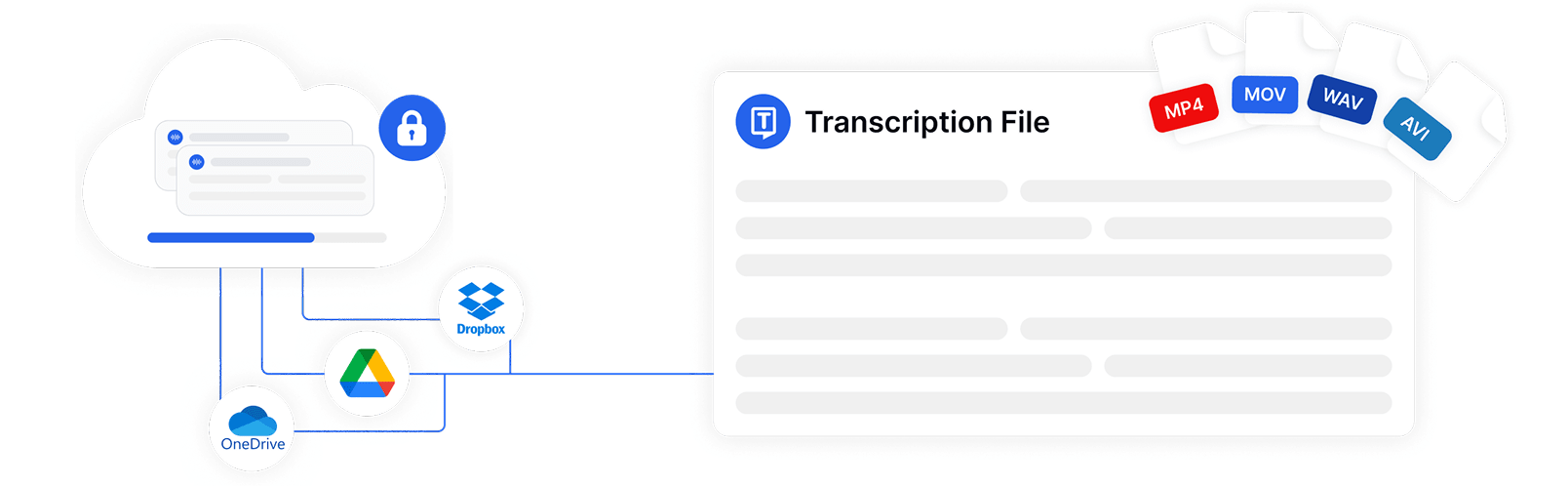
Getting started is simpler than ever. Numerous services and software now offer automated transcription with high accuracy. The process typically involves uploading your video file and letting the technology do the work. Within minutes, you receive a full text document of the spoken content. This accessibility means that anyone, from a university student to a corporate team, can start leveraging the benefits of transcription without needing technical expertise or a large budget.
A Smarter Way to Work and Learn
Embracing video-to-text conversion is more than just a convenience; it’s a strategic move to work and learn more effectively. By transforming spoken words into a versatile text format, you can save time, improve comprehension, and make your content more accessible and repurposable. It’s a simple change that can lead to significant gains in productivity, allowing you to focus on what truly matters: understanding and applying valuable information.