
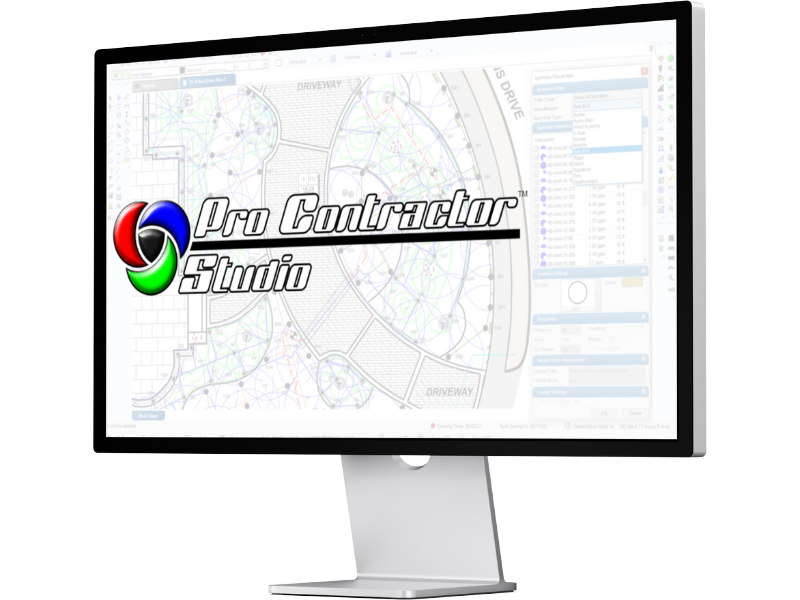
Landscaping projects require careful planning, creativity, and precise execution to transform outdoor spaces into functional and visually appealing environments. landscaping software has emerged as a powerful tool for both professionals and homeowners, providing the ability to plan, visualize, and manage outdoor projects effectively. By combining advanced design tools, realistic renderings, and project management capabilities, this software streamlines the entire landscaping process from concept to completion.
Planning Outdoor Projects
Effective landscaping begins with detailed planning. Landscaping software enables users to create accurate layouts of outdoor spaces, including gardens, patios, walkways, and water features. Users can input property dimensions, mark existing structures, and define zones for different types of plants and hardscaping elements. With these tools, homeowners and professionals can organize their ideas systematically, ensuring that the design is practical and achievable. Planning features also allow for scheduling tasks, estimating material requirements, and forecasting costs, making the project more manageable and cost-effective.
Visualizing Designs in Realistic Detail
Visualization is one of the most valuable aspects of landscaping software. Users can transform flat plans into realistic 2D and 3D renderings, offering a detailed preview of how the completed project will look. These visualizations allow designers to assess the placement of plants, trees, furniture, and decorative elements in a realistic environment. For professionals, realistic renderings improve communication with clients, helping them understand the design intent and make informed decisions. Homeowners also benefit by seeing the potential transformation of their space, which makes it easier to finalize design choices and avoid costly mistakes during implementation.
Creative Tools for Design Customization
Landscaping software provides a wide range of creative tools for customization. Users can select from extensive libraries of plants, trees, shrubs, furniture, lighting, and decorative items to personalize their outdoor spaces. Interactive tools such as drag-and-drop placement, resizing, rotation, and layering allow for precise adjustments and experimentation. Advanced features like terrain modeling, elevation adjustments, and sunlight simulation help assess how different elements interact with the environment, ensuring that the design is both functional and aesthetically pleasing.
Execution and Project Management
Beyond planning and visualization, landscaping software supports project execution and management. Users can generate detailed installation guides, track progress, and coordinate tasks with contractors or team members. Material lists, cost calculations, and workflow scheduling ensure that the project stays on budget and on time. For professional landscapers, this functionality enhances efficiency and reduces errors, while homeowners benefit from a clear roadmap for completing their projects without unnecessary delays or complications.
Collaboration and Communication
Effective communication is crucial in landscaping projects, especially when working with clients, contractors, or team members. Landscaping software enables seamless collaboration by allowing users to share digital plans, 3D models, and progress updates. Clients can review designs, suggest changes, and approve plans remotely, improving transparency and reducing misunderstandings. For professionals, this collaborative capability strengthens client relationships and ensures that projects are executed according to the agreed-upon vision.
Sustainability and Environmental Considerations
Modern landscaping software also integrates sustainability features, helping users design environmentally responsible outdoor spaces. Tools may include water-efficient irrigation planning, selection of drought-tolerant plants, and simulations for sunlight and drainage. By incorporating sustainable practices into the design process, users can reduce environmental impact, conserve resources, and create landscapes that thrive over time with minimal maintenance.
Conclusion
Landscaping software designed for professionals and homeowners offers a comprehensive solution for planning, visualizing, and executing outdoor projects. By combining detailed layouts, realistic 3D renderings, creative design tools, and project management capabilities, the software simplifies complex landscaping processes while enhancing creativity and precision.
Whether designing a backyard garden, a commercial landscape, or a complex outdoor project, this software empowers users to transform ideas into beautifully executed spaces. With improved visualization, streamlined planning, and collaborative features, landscaping software ensures that projects are efficient, sustainable, and visually stunning from start to finish.