
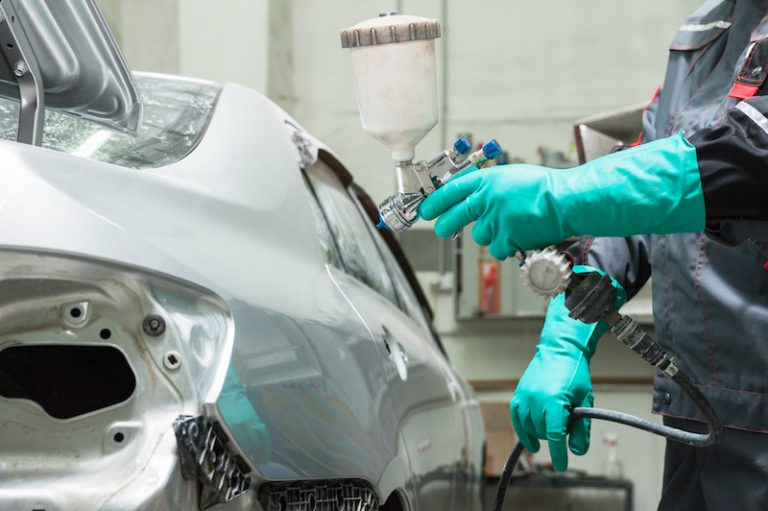
Whether an unexpected fender bender or years of wear and tear, every car eventually needs some attention to keep it looking its best. With vehicles being one of the most significant investments for many, maintaining their appearance can add value and extend their overall lifespan. Knowing a few essential auto body repair techniques is not just a skill but a valuable asset for any car owner.
Assessing the Damage
The first step to any repair is understanding the extent of the damage. From minor scratches to deeper dents, evaluating the severity allows you to determine whether it’s a DIY fix or requires professional help. Surface-level scratches, for instance, might seem like a nuisance, but they can lead to rusting if not addressed. Conversely, structural damage from accidents often necessitates the expertise of a specialized mechanic or repair shop.
Paint Touch-Ups for Scratch Repairs
Scratches and paint chips are some of the most common issues car owners face. Fortunately, minor imperfections are easier to repair than they seem. Here’s how you can tackle them:
- Clean the area: Use soap and water to remove dirt. Follow it up with wax removal using isopropyl alcohol or a similar solution.
- Apply touch-up paint: Purchase a paint kit matching your car’s color code. Carefully apply the paint with a fine-tip brush, making sure not to spread beyond the scratch.
- Smooth the finish: After the paint dries, use sandpaper (2000-grit or higher) to even out the surface and finish with a polishing compound for shine.
Ensuring proper drying time between steps can make all the difference in achieving seamless results.
Fixing Small Dents
Small dents caused by minor collisions or unexpected parking lot accidents are frustrating, but they are often manageable. DIY solutions like the suction cup method or using a hairdryer and compressed air can work wonders.
A popular technique involves gently heating the dented area with a hairdryer, making the metal malleable. Once hot, invert a can of compressed air and spray it over the dent. The rapid cooling forces the metal to contract, often popping the dent back into place. While effective for minor dents, remember that deeper or creased damage likely requires professional tools and expertise.
Dealing with Rust
Rust is the enemy of every vehicle. Start by spotting it early because neglected rust can spread and compromise your car’s structural integrity. For smaller rust spots:
- Sand the affected area: Use sandpaper or a wire brush to remove the rusted material until only clean, shiny metal remains.
- Clean and prime: Wipe the area clean and apply a rust-inhibitor primer to prevent further corrosion.
- Repaint: Match your car’s paint and carefully apply a new coat, blending it into the surrounding surface for a polished finish.
Polish and Protect
To keep your car looking pristine after a repair, periodic polishing is essential. Using a good-quality car wax or sealant not only enhances shine but also shields the surface from UV rays, grime, and minor scrapes. With regular care, you can maintain your car’s showroom finish for years to come.
Investing time into mastering these auto body repair techniques not only saves money but also equips you with the confidence to handle unexpected car issues. Simple maintenance and timely fixes can go a long way in maintaining both the beauty and functionality of your vehicle.