
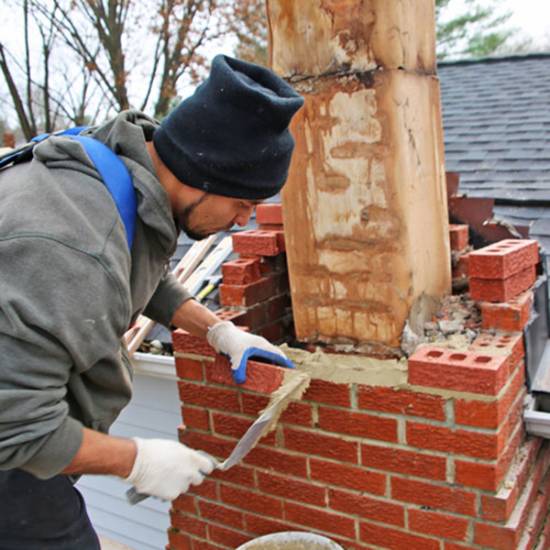
Masonry chimneys are a common feature in many homes, especially those with traditional fireplaces. Built from brick, stone, or concrete, masonry chimneys are sturdy structures that can last for decades with proper care. However, exposure to the elements and regular use of the fireplace can cause wear and tear over time. Regular Masonry Chimney Repair is essential to ensure safety, prevent structural issues, and maintain the aesthetic appeal of your home. In this article, we’ll explore the importance of masonry chimney repair, common issues that arise, and how these repairs are performed.
Why Masonry Chimney Repair is Important
Masonry chimneys are exposed to the elements year-round. Rain, snow, and fluctuating temperatures can cause damage to the bricks and mortar, leading to cracks, crumbling, and water infiltration. If these issues are not addressed promptly, they can compromise the chimney’s structural integrity and pose serious safety risks.
Here’s why maintaining and repairing your masonry chimney is so important:
1. Preventing Water Damage
One of the biggest threats to masonry chimneys is water damage. Bricks and mortar are porous materials that absorb moisture, and over time, this can lead to the deterioration of the masonry. Water can also freeze inside cracks during cold weather, causing expansion and further damage. If water seeps into the chimney structure, it can lead to leaks, mold growth, and even damage to the interior of your home. Proper repair and waterproofing can prevent costly damage.
2. Avoiding Structural Hazards
Cracked or crumbling bricks and mortar can weaken the overall structure of the chimney, creating the risk of collapse. This not only poses a danger to your home but can also lead to serious injury if the chimney falls or debris comes loose. Repairing damaged masonry promptly can prevent such risks and ensure the chimney remains structurally sound.
3. Improving Chimney Performance
A damaged masonry chimney may not function properly, leading to poor ventilation, smoke entering the home, or inefficient burning of fuel. Repairing cracks, blockages, or other issues in the masonry can improve the overall performance of the chimney, making your fireplace safer and more efficient.
4. Preserving Aesthetic Appeal
Masonry chimneys often contribute to the aesthetic appeal of a home. Cracks, stains, and missing bricks not only indicate potential structural problems but also detract from the home’s visual appeal. Masonry repairs can restore the beauty of your chimney, enhancing the curb appeal of your property.
Common Masonry Chimney Issues
Understanding the common issues that affect masonry chimneys can help homeowners identify problems early and take action before they worsen. Here are a few of the most common masonry chimney problems:
1. Cracked or Crumbling Mortar
Over time, the mortar between the bricks of a chimney can deteriorate due to weather exposure. This is known as “spalling.” When mortar cracks or crumbles, it compromises the chimney’s stability, allowing moisture to penetrate the structure. Tuckpointing, a process where damaged mortar is replaced, is a common repair solution for this issue.
2. Leaning Chimney
A chimney that begins to lean is a serious structural issue that requires immediate attention. Leaning can be caused by foundation issues, water damage, or poor construction. Depending on the severity, repairing a leaning chimney may involve reinforcing the foundation or rebuilding part or all of the chimney.
3. Chimney Crown Damage
The chimney crown, located at the top of the chimney, is designed to keep water and debris out. Over time, the crown can crack or erode, allowing water to seep into the masonry. Repairing or rebuilding the chimney crown is essential to preventing water damage.
4. Spalling Bricks
Spalling occurs when water enters the bricks, causing the outer layer to peel, flake, or break off. This is often caused by the freeze-thaw cycle, where water freezes and expands within the bricks during cold weather. Spalling bricks need to be replaced to prevent further damage and maintain the structural integrity of the chimney.
How Masonry Chimney Repair is Performed
Masonry chimney repair can vary depending on the type and extent of the damage. Here are some common repair methods used by professionals:
1. Tuckpointing
Tuckpointing involves removing damaged or deteriorating mortar from between the bricks and replacing it with fresh mortar. This not only restores the appearance of the chimney but also strengthens its structure and prevents water from entering the joints.
2. Brick Replacement
If bricks are cracked, spalling, or missing, they need to be replaced. This involves carefully removing the damaged bricks and installing new ones that match the original appearance of the chimney. This process helps maintain the chimney’s structural integrity and prevents further deterioration.
3. Chimney Crown Repair
For chimneys with damaged crowns, repair often involves applying a waterproof sealant or rebuilding the crown to prevent water infiltration. A properly sealed crown will prevent moisture from entering the chimney and causing further masonry damage.
4. Waterproofing
To protect the masonry from water damage, a waterproofing sealant can be applied to the exterior of the chimney. This treatment allows the masonry to “breathe,” allowing moisture to escape from within while preventing water from penetrating the surface.
Conclusion
Masonry chimney repair is essential for ensuring the safety, functionality, and longevity of your chimney. Regular inspections and timely repairs can prevent serious issues like water damage, structural instability, and costly repairs down the road. Whether you need tuckpointing, brick replacement, or chimney crown repair, addressing masonry problems early will protect your home and maintain the beauty and integrity of your chimney for years to come.